Masks Embroidery Review: A Designer's Real-World Perspective
As a professional embroidery designer, I evaluate every digital embroidery file through the lens of real, tangible projects. When a client asks for a Halloween-themed tote bag, or a craft fair booth needs standout patches, the design I choose must perform. Today, I'm looking at the Masks embroidery design from Creative Fabrica, considering it for use in commercial and handmade products.
First Impressions: Visual Mood and Decorative Appeal
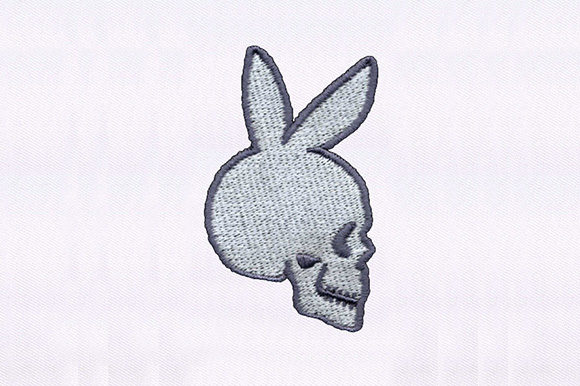
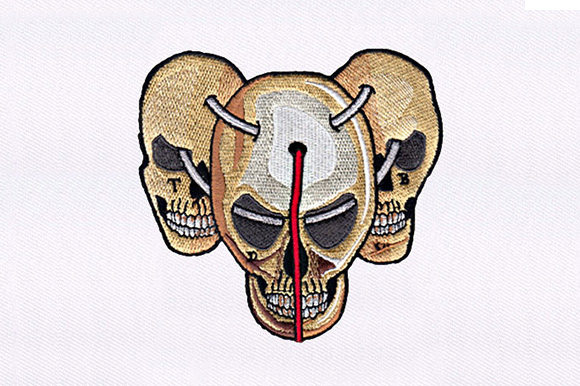
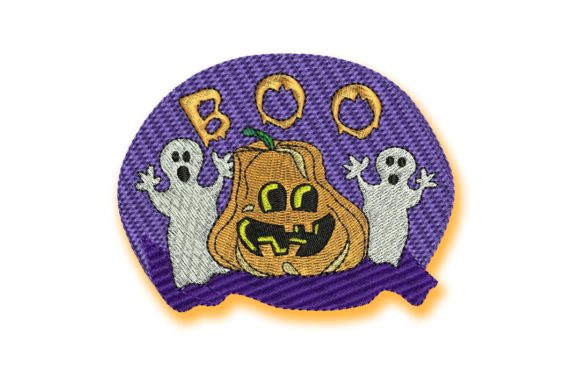
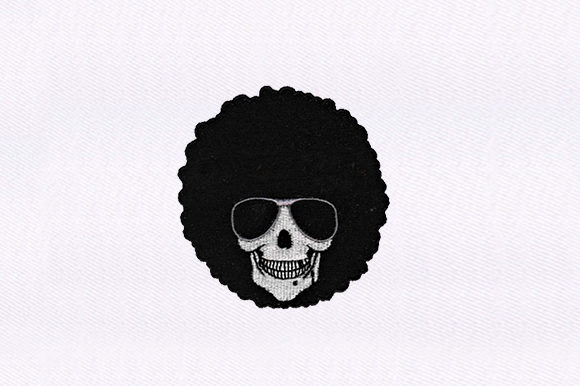
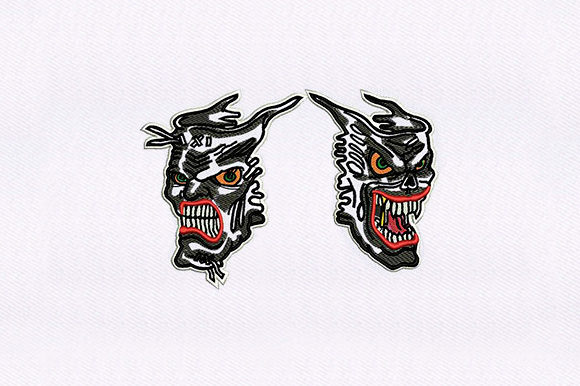
Opening the Masks embroidery file, the immediate impression is one of playful, detailed character. This isn't a simplistic cartoon; it carries a textured, illustrative personality. The design feels like it belongs on something meant to be noticed—a statement sweatshirt, a featured apron, or a decorative pillow cover. It has a decorative weight that promises to add significant visual interest to a base fabric. For Halloween projects, this mood is spot-on: eerie yet artistic, perfect for enthusiasts who appreciate detail over generic spookiness.
The level of detail suggests it’s meant for a project where embroidery is the centerpiece, not a tiny accent. It naturally fits items like tote bags, baby blankets (for a fun, not-too-scary nursery decor), boutique kitchen towels, or as a focal point on a pillow. For Etsy sellers and apparel decorators, this kind of design can define a product line.
Performance in Real Embroidery Projects
Thinking about stitching this onto actual goods, several project types come to mind. For custom apparel like sweatshirts or hoodies, the design's personality could elevate a basic garment into a specialty item. On tote bags and aprons, it would serve as durable, high-impact decoration. As an embroidered patch, it could be incredibly versatile, allowing craft fair vendors to apply it to multiple products—caps, jackets, backpacks—from a single embroidery run.
The design also holds potential for handmade gifts and seasonal merchandise. A baby blanket with this design would be a unique Halloween gift, while a set of embroidered kitchen towels could become a sought-after bundle for a handmade shop. For product photography and printable mockups, a well-executed stitch-out of this design creates a strong, engaging visual that builds buyer trust and enhances listing appeal.
Considering Surface and Fabric Challenges
Any experienced embroiderer immediately considers practical hurdles. The detail in Masks raises questions about small hoop sizes. If the design is large and intricate, it may require a larger hoop, limiting its use on items like caps with curved surfaces. I would advise checking the product page for the specified hoop size before planning a cap project.
Dense stitch areas are another consideration. High detail often means more stitches, which can lead to stiffness on lightweight or stretchy fabrics. Using the proper stabilizer is non-negotiable here. For dark fabrics, the choice of thread color contrast is crucial to ensure the design's details remain visible and crisp. Layered details and potential tiny lettering within the design would need careful inspection after a test stitch-out to ensure clarity.
For products destined for frequent washing, like kitchen towels or baby items, a robust stitch construction is key. I would strongly recommend testing the embroidery file on scrap fabric first, simulating the final product's material, to check for durability and any potential puckering from high stitch density.
Impact on Product Value and Customer Perception
Using a design like Masks affects the finished product's perceived value. A complex, well-stitched design communicates craftsmanship. For creative entrepreneurs and small business owners, this enhances handmade presentation and can justify a higher price point. It contributes to brand consistency if you specialize in detailed, artistic embroidery.
The giftability of an item adorned with this design increases; it feels like a specialized, thoughtful product rather than a mass-produced one. For Etsy listings and boutique merchandise, high-quality embroidery directly influences customer engagement—detailed photos of the actual stitch-out can become a powerful selling tool.
Essential Pre-Production Checklist
Before running this embroidery file for a commercial order, my professional workflow would include several critical steps:
- Test on scrap fabric identical to the final product material.
- Check the required thread color contrast for both light and dark fabric bases; create comparative mockups mentally or digitally.
- Review the stitch density by observing the file previews and planning for appropriate stabilizer use.
- Confirm the actual hoop size needed from the Creative Fabrica product details to ensure machine and project compatibility.
- Inspect small details after the test stitch to ensure all elements are clean and recognizable.
- Always, confirm file details and licensing on the Creative Fabrica product page before selling finished items. This is vital for commercial use.
Final Verdict for Creative Fabrica Users
The Masks machine embroidery design from Creative Fabrica presents a compelling option for designers and makers seeking a detailed, character-driven Halloween theme. Its visual appeal is strong, targeting projects where embroidery is the star. For real-world use, its success will hinge on practical preparation: understanding its technical demands regarding hoop size and stitch density, and thoroughly testing it on your specific project fabrics.
For embroidery designers, Etsy sellers, and apparel decorators looking to add a distinctive, seasonal product to their line, this digital embroidery file warrants a close look. It has the potential to create standout handmade products, custom apparel, and commercial embroidery goods that feel special and well-crafted. My advice is to approach it as a professional: download it, study the product page specifics, and run that essential test stitch. That process will tell you definitively if Masks is the right design for your next real project.