Reviewing Keep Social Distance for Small Business Embroidery
As a professional embroidery designer working with small brands and merchandise creators, I evaluate every digital file not just as art, but as a tool for building identity and value. Today, I’m reviewing the Keep Social Distance embroidery design from the perspective of a business owner looking to create branded patches, apparel, and custom products.
First Impression: A Design That Speaks Directly to Your Audience
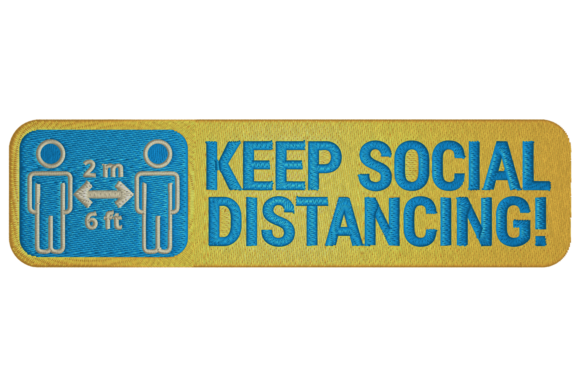
The title Keep Social Distance immediately evokes a sense of contemporary, community-aware messaging. For a small business, this isn’t merely a decorative phrase; it’s a statement that can resonate on merchandise. The description indicates it’s a high-quality, hand-digitized file available in multiple sizes—a crucial starting point for commercial embroidery projects. The design’s visual personality leans toward a bold, modern, and straightforward aesthetic. It feels professional enough for staff uniforms yet friendly enough for customer-facing merchandise like tote bags or gift items.
Business Use Cases: Where Keep Social Distance Adds Value
Imagine a local café wanting embroidered aprons, a boutique creating limited-run patches, or a creative studio offering branded caps to clients. Keep Social Distance can serve as a powerful accent across many products.
- Embroidered Patches: This design is ideal for creating custom patches for staff uniforms, event merch, or as standalone product labels. Its clarity is key for recognition.
- Staff Uniforms & Aprons: As a chest logo or sleeve detail on work shirts or aprons, it reinforces a brand’s community-minded ethos in a subtle, professional way.
- Cap Embroidery: On the front of a cap, it becomes a bold statement piece, perfect for a team or as retail merchandise.
- Tote Bag Design: Embroidered on a tote bag, it elevates a simple product into a valued customer gift or premium boutique item.
- Product Packaging Accents: Small embroidered touches on packaging can enhance a handmade product’s perceived value and consistency.
For Etsy sellers, craft businesses, and merch creators, this machine embroidery design acts as a versatile asset for creating cohesive branded lines without needing custom artwork each time.
Performance on Real Products & Fabric
The success of any embroidery file in business use depends on its technical execution on physical items. Based on the description being hand-digitized for quality, I would expect Keep Social Distance
Where to Use With Care
Certain applications require extra attention to ensure the finished product maintains its integrity.
- Small Patch Sizes: If using the smallest included size for a tiny patch or product tag, you must check that the lettering remains crisp and legible.
- Cap Fronts & Curved Surfaces: Embroidery on curved areas like caps can distort shapes. A test run on a real cap is essential.
- Dark Uniforms & Textured Fabric: Thread color contrast is vital. On dark fabrics, you may need to adjust colors or add a backing to ensure the message pops.
- Items for Frequent Washing: For aprons or work shirts that will be laundered often, a robust stitch density and proper stabilizer are key to longevity.
Impact on Brand Identity & Customer Perception
Integrating Keep Social Distance into your merchandise isn’t just about adding decoration. It’s a strategic design choice.
For a bakery, florist, pet brand, or local shop, this phrase embroidered on an apron or tote bag communicates care and awareness, which builds customer trust. It presents your business as contemporary and engaged. On custom apparel, it enhances professionalism and visual consistency across your team. For a handmade product line, an embroidered accent using this design can significantly increase the product value and buyer engagement, turning a simple sweatshirt or pillow into a meaningful branded item.
Practical Designer Notes Before You Produce
Before running this file for commercial embroidery, follow this checklist to safeguard your investment and ensure a premium finished product.
- Test in Black and White First: Run the design in a single, high-contrast color on scrap fabric. This reveals any issues with spacing or density without the cost of multiple threads.
- Check the Smallest Size: Hoop the smallest included size on the actual fabric you’ll use (like a twill for patches) to confirm readability.
- Review Thread Color Contrast: Plan your color palette against your typical fabrics—light and dark.
- Test on Real Final Fabric: Never assume. Test on the exact apron material, cap fabric, or tote bag texture you’ll use in production.
- Use Proper Stabilizer: Match the stabilizer to the fabric and stitch density to prevent puckering, especially on stretchy items like t-shirts.
- Create a Printable Mockup for Client Approval: If producing for a client business, a mockup showing the design on their uniform or merchandise is crucial for approval.
- Compare Beside Other Design Assets: Place the embroidered sample beside your other logo elements to ensure visual harmony in your brand identity.
- Confirm Commercial Licensing: The description notes it’s a digital file. Before any business use, verify the license terms to ensure you have the rights for commercial embroidery projects.
Final Thoughts for Business Owners
The Keep Social Distance embroidery design, from the Family category, presents a unique opportunity for small businesses to create relevant, branded merchandise. Its strength lies in its direct messaging and, assuming high-quality digitization, its adaptability across patches, uniforms, and retail products. By treating it as a serious design asset and following rigorous pre-production testing, you can transform this digital embroidery file into a trusted element of your brand’s handmade presentation and commercial success.