Reviewing the Adorable FSL Applique Star Mug Rug for Boutique Sweatshirts
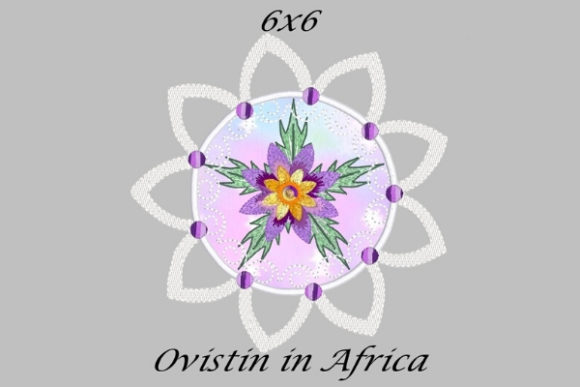
As a professional embroidery designer preparing a collection for a small boutique brand, every detail of a design matters. The choice of an embroidery file can elevate a simple sweatshirt into a premium piece of lifestyle apparel. Today, I'm evaluating the Adorable FSL Applique Star Mug Rug for this exact purpose. Its description promises a specific technique: a mug rug with an FSL edge and applique center, using a 6×6 hoop size and the ITH method, complete with batting for heat resistance and a satin backing. This isn't just a digital embroidery file; it's a complete, dimensional project. But how does it translate from a mug rug concept to custom apparel, specifically a premium sweatshirt drop?
First Impressions: Mood and Stitching Personality
The title "Adorable" immediately sets a playful, cute, and feminine mood. The combination of FSL (Free-Standing Lace) for the edge with an applique center suggests a design that balances delicate intricacy with bold, decorative focal points. My first thought is of texture and dimension. The FSL edge will create a lacy, almost ornamental frame, while the star applique center offers a solid, tactile anchor. This hybrid approach gives the Adorable FSL Applique Star Mug Rug a unique stitching personality—it's decorative and detailed without feeling overly rustic or chaotic. For a boutique brand, this blend can signal a crafted, thoughtful product. On a finished embroidered product, I envision a piece that looks less like a flat graphic and more like a sophisticated, handmade embellishment.
Applying the Design to Boutique Sweatshirt Collections
For a limited sweatshirt drop, placement is key. The 6×6 hoop size makes this design versatile for apparel. On a classic, neutral sweatshirt—think oat, grey, or cream—the design will pop with elegant contrast. The FSL's open structure will allow the base fabric color to show through, creating a soft integration, while the applique star becomes a crisp, defining element. On dark fabric, like a charcoal or black hoodie, the contrast will be striking and bold, leaning more towards a modern, statement look. For pastel colors, the overall effect would lean heavily into that cute, playful, and feminine vibe, perfect for a spring collection.
Consider placement on an oversized hoodie. A chest placement, left or center, would be a perfect focal point for lifestyle product photography, offering that sought-after "detail shot" for Etsy listings and mockup previews. As a sleeve accent, it could serve as a charming, smaller surprise. Given its defined structure from the batting and backing, it could even work as a unique back design, especially if the brand's identity leans towards decorative and artful rather than minimal. This design feels inherently like boutique merchandise—it has a story (the mug rug origin) and a tangible, handmade presentation that adds perceived value.
Practical Designer Concerns for Commercial Use
Moving from concept to production requires scrutinizing practicalities. The mention of a batting inlay and satin backing is excellent for a mug rug's function, but on a sweatshirt, we're considering fabric thickness, stabilizer choice, and washing durability. A premium sweatshirt fabric has a substantial texture. Hooping a sweatshirt with a 6×6 hoop for this design requires careful stabilizer selection—likely a firm, cutaway to support the FSL's delicate edges and the applique's density on a stretchy, bulky knit. Stitch density in the applique area must be robust enough to withstand wear and washing without puckering or losing integrity.
Thread color contrast is paramount. The FSL edge, depending on thread choice, could read as a subtle outline or a pronounced lace frame. For a strong, readable design on apparel, I'd recommend a thread for the FSL that either matches the sweatshirt for a tonal look or contrasts sharply for definition. The applique center offers a chance to use a contrasting or complementary fabric, adding another layer of custom branding. Is the design strong enough for commercial apparel use? The structure suggested by the tutorial and techniques points to yes, provided the embroidery file itself has clean stitch paths and appropriate density. Always check the exact stitch count and file format details before production to ensure machine compatibility and efficiency.
Elevating Brand Identity and Customer Trust
Using a design like the Adorable FSL Applique Star Mug Rug on a sweatshirt collection does more than decorate a garment; it communicates brand values. This design, by its nature, showcases skill. The ITH method and combined techniques are not beginner-level. Applying it successfully to apparel signals a high level of craftsmanship, boosting buyer trust in the boutique brand's quality. The finished product has visual recognition—it's not a standard printed logo; it's a tactile, embroidered art piece that encourages customer engagement ("How did you make this?").
For small shop product photography, this embroidery offers fantastic texture and shadow, making flat lay and worn mockups more dynamic. It directly supports a narrative of handmade, premium goods. For the brand, it can anchor an identity that is cute but not childish, decorative but not fussy, and playful yet polished. It feels premium because of its complexity, casual because of its sweatshirt context, and decidedly decorative. It's a design that can help a boutique stand out in a market of minimal logos.
Final Thoughts for Creative Entrepreneurs
In evaluating the Adorable FSL Applique Star Mug Rug for a boutique sweatshirt project, I see a compelling asset. It bridges the gap between a functional sewing project and a versatile embroidery file for custom apparel. Its built-in dimensionality promises a finished product that feels special and worth the investment. For Etsy sellers and apparel decorators, it provides a ready-made story of technique and care. The included tutorial is a huge advantage, reducing the learning curve and increasing confidence.
My recommendation would be to test it on the target sweatshirt fabric first. Pay close attention to hoop placement to avoid distorting the garment and to the interaction between the FSL edge and the fabric's surface texture. Choose thread and applique fabric colors that align precisely with the brand's seasonal palette and identity. This design is not a blunt instrument; it's a nuanced tool. When executed well, it can transform a simple hoodie into a key piece of a brand's visual language, enhancing product value and solidifying that coveted handmade presentation in the competitive world of creative entrepreneurship.