A Design Review for Business Merchandise and Branded Patches
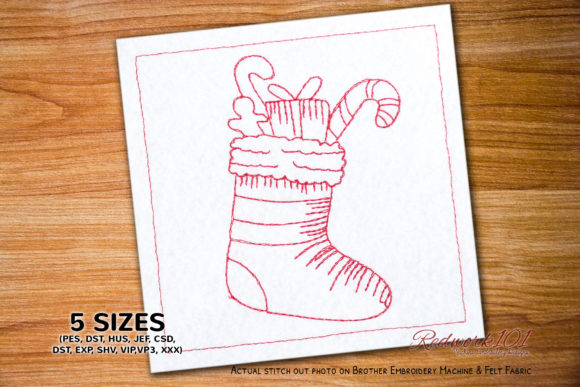
When a design file like Christmas Stocking Lineart Design lands in my workspace for a business application, my first thought is always about its character. Does it match the brand’s voice? This particular design, with its clear lineart and the note about the optional box stitch, presents an interesting blend. It leans classic and decorative, which is perfect for the holiday season, but its simplicity also gives it a versatile, modern edge. The emphasis on the lineart itself means it feels clean and graphic. This isn’t overly rustic or handmade in its digital form; instead, it’s a structured, professional foundation waiting for your brand’s color story.
Visual Personality and Brand Alignment
The immediate impression of Christmas Stocking Lineart Design is friendly and elegant. For a small business—a cozy café, a boutique, a creative studio—this is a strong starting point. The clean lines suggest a premium, thoughtful brand. It’s playful because of the Christmas theme, but not childish. This balance is crucial for merchandise that needs to appeal to adults while celebrating the season. Whether your brand identity leans towards the warmth of a bakery or the sophistication of a florist, this design can be adapted. The note that “the color of outer Box is different color in most of the designs unless it is part of the design itself” is a key clue. This tells me the core design is the stocking; the box is a contextual frame. For business use, you can absolutely “skip the color directly” and let the stocking stand alone, making it more streamlined for logos, patches, and small accents.
Performance in Real Business Applications
As an embroidery file, its real-world performance is what matters most. Let’s walk through the common scenarios.
For embroidered patches, this design is promising. The lineart should translate well into satin stitches and outlines. A patch for a staff uniform sleeve or as a collectible item for customers needs clear, bold shapes. On caps, especially the curved front, simpler designs with less density work best. The stocking shape, if kept clean, should embroider cleanly on a cap front without puckering. For tote bags and aprons, often made of canvas or heavier fabric, it can become a beautiful brand mark. On work shirts as a chest logo accent, it adds a seasonal touch without overwhelming the uniform.
Consider it also for product packaging as a small embroidered accent on tags, or for event merch like limited edition holiday tees. For an Etsy seller or craft business, this digital embroidery file can be a core asset for creating handmade products—embroidered ornaments, quilt blocks, or decorative pillows—adding value and a cohesive look to your holiday lineup.
Where to Use This Design Carefully
Every design has its limits, and knowing them prevents costly errors. With Christmas Stocking Lineart Design, pay close attention to scale. When reduced for a very small patch size, the details must remain crisp. Test it small first. On highly curved surfaces like caps, ensure the design isn’t too tall or wide; it may need slight adjustment. If the design incorporates any tiny lettering (not indicated here, but sometimes added), it might become lost or fuzzy.
High stitch density can be a concern if the optional box stitch is used with complex fills. On textured fabric like knit beanies or on dark uniforms, thread color contrast is vital—a white or metallic thread for the lineart might be needed for visibility. And for items like aprons or shirts that face frequent washing, a robust stitch structure with proper stabilizer during embroidery is key to longevity.
Impact on Brand Identity and Customer Perception
Using a design like this on your merchandise goes beyond decoration. It reinforces brand identity during a specific, emotive season. It shows your business is engaged and festive, building customer trust and connection. A well-embroidered patch or cap logo conveys professionalism and care, increasing the perceived product value of the item itself. For a handmade brand, it ensures visual consistency across products, strengthening your presentation. This consistency directly boosts buyer engagement—a customer recognizes your brand’s holiday merch instantly, whether on an apron in your shop or on a tote bag they bought online.
Practical Notes from the Embroidery Desk
Before you run this Christmas Stocking Lineart Design on your machine for commercial embroidery, here are my standard professional checks.
- Test it in black and white first. This reveals the true structure without color distracting you. See if the lineart holds its form.
- Check its performance at your intended patch size. Embroider a sample at 1.5 inches or smaller to ensure clarity.
- Review thread color contrast against your target fabric. Plan your palette based on the description note—the stocking and the optional box can be distinct.
- Inspect spacing between elements if the box is included. Tight spacing can cause stitch overlap.
- Confirm the appropriate hoop size for your project. While the design details aren’t specified here, you’ll need to check the file’s dimensions before loading.
- Test on real fabric scraps that match your final product—canvas for totes, twill for caps, polyester for uniforms.
- Use proper stabilizer for the fabric type. This is non-negotiable for a clean finish.
- Create a printable mockup for client approval if you’re the decorator, or for your own planning if you’re the business owner.
- Compare it beside your other brand assets to ensure visual harmony in your holiday collection.
- Most critically, confirm commercial licensing before business use. The product description doesn’t specify terms; you must verify you have the rights to use this digital embroidery file on products for sale.
In essence, the Christmas Stocking Lineart Design is a flexible, business-friendly foundation. Its success hinges on your thoughtful application—choosing the right context, scaling it appropriately, and executing the embroidery with technical care. When done right, it becomes more than a Christmas motif; it becomes a part of your brand’s story for the season, embroidered onto the very fabric of your business.