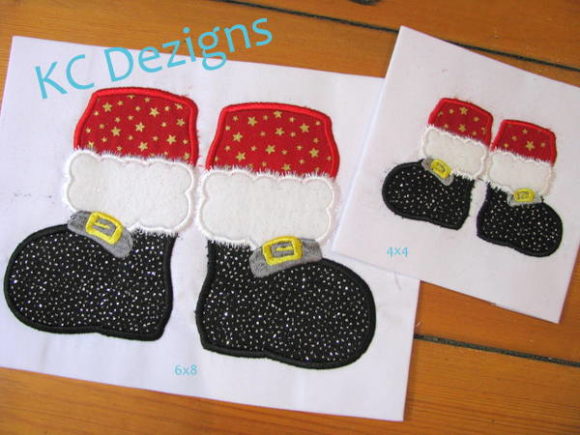
A Real-World Review of the Santa Feet Embroidery Design
When a new embroidery file lands in my library, especially for a seasonal theme like Christmas, my first instinct isn't just to admire it—it's to envision it stitched out, in hand, on a real product. That’s the lens I’m using today for the Santa Feet applique design. As someone who stitches for clients, for my small shop, and for gifts, a design has to prove itself beyond the digital preview. So, let’s talk about what this design really offers when the needle meets the fabric.
The Immediate Charm and Practical Personality of Santa Feet
Right away, the name and concept set a specific, delightful mood. It’s whimsical, nostalgic, and inherently festive without being overly ornate. This isn’t a full Santa portrait; it’s a clever, focused snippet—those iconic booted feet. That implies a design with a strong shape, likely relying on clean outlines and applique areas for the boot fabric and maybe some satin stitch details for the cuffs or soles. For an embroidery designer, that’s promising. It suggests the design can stitch out clearly and relatively quickly, which is a practical advantage for batch production or last-minute holiday gifts.
The layout feels like it belongs on items where a touch of humor and warmth is welcome. Imagine it on the corner of a cozy pillow cover, or centered on a kitchen towel hanging during December festivities. It has a personality that’s friendly and approachable, perfect for handmade products meant to evoke a smile rather than formal decor.
Where Santa Feet Shines in Your Project Lineup
Based on its description as perfect for cushions and t-shirts, let’s extrapolate to the real-world projects I’d confidently assign to it. First, custom apparel: a mid-weight sweatshirt or a durable tote bag. The applique construction typically handles well on these fabrics, creating a tactile, high-value look. For a small business merchandise item, like an embroidered patch or a cap, the distinct shape would offer great recognition and brand consistency for a holiday-themed line.
I’m particularly thinking about personalized gifts. Stitching Santa Feet onto a child’s blanket or a set of nursery decor pillows could be utterly charming. It’s a gentle, fun image. For Etsy sellers and craft fair products, this design translates easily into a finished product that feels giftable and professional. It’s also a strong candidate for digital product previews and printable mockups because its clear form would show well in listings, helping engage potential buyers.
The Careful Considerations: Fabric, Placement, and Perception
Now, the practical judgment. Because this is a machine embroidery applique design, its performance hinges on execution. On textured fabrics like a woven towel or a thick blanket, the applique pieces and any satin stitches need a robust stabilizer to maintain crispness. On stretchy fabric like a t-shirt, hoop placement is critical—avoiding high-stretch areas to prevent distortion of that fun, clean shape.
Small hoop sizes might be a constraint if the design itself is larger. Without knowing the exact dimensions, my standard advice is to test the design on scrap fabric first, mimicking the final project’s material. This reveals everything: whether stitch density is suitable for thin fabrics, if small details like any tiny pattern lines remain clear, and how thread color contrast plays out on both light and dark backgrounds. A design like this, with likely bold reds and blacks, should pop on lighter fabrics, but on dark fabric, you’d need to plan your applique fabric colors strategically.
For curved surfaces like caps, the design’s shape needs to be evaluated—broad, flat areas like the boot soles might hoop beautifully, but intricate corners could be trickier. Always inspect the digitized small details in a test run.
How This Design Elevates Your Finished Product
From a commercial and customer perspective, a well-embroidered Santa Feet design adds tangible value. It increases the visual appeal and stitching clarity of your item, building customer trust in the quality of your work. For a craft business, it reinforces a handmade presentation that feels intentional and skilled, not generic. This directly impacts buyer engagement—a customer looking at a tote bag with this design sees a story, a holiday spirit, which boosts its giftability.
It also affects your own professionalism. Using a design that stitches out reliably, with a pleasing result, means happier clients, fewer remakes, and a stronger portfolio for your apparel decoration or boutique branding.
Essential Designer Notes Before You Hoop
Before committing Santa Feet to a client’s baby gown or a batch of pillow covers for your shop, your process matters. Here’s my checklist.
- Run the embroidery file on your intended fabric type as a test. This is non-negotiable.
- Evaluate the thread colors suggested by the preview. Do they need adjustment for your specific material to achieve the best contrast and mood?
- Confirm the physical hoop size required. Does it fit your machine’s capabilities and the product’s available embroidery area?
- Consider the fabric texture. Will a fluffy fleece swallow the detail? Will a slick apron fabric need extra adhesive stabilizer?
- Think about the end-use. For items needing frequent washing, like kitchen towels or baby clothes, ensure your applique fabric and stitch choices are secure and durable.
- Always, always check licensing. The description notes it’s a machine embroidery applique design, but clarify whether it’s licensed for personal use, commercial embroidery projects, or sale as a digital embroidery file itself. Never assume.
Finally, view the design in black and white mockups or grayscale. This helps you see the pure form and balance, stripping away the color appeal to judge its structural merit for all kinds of embroidery projects.
The Final Verdict for Your Holiday Workbench
Santa Feet presents itself as a design with inherent charm and practical potential. Its applique nature suggests a satisfying, textured finish that elevates simple items into special holiday pieces. For the maker, the small business owner, and the hobbyist creating personalized products, it’s a design that, with careful testing and application, can become a reliable part of your Christmas repertoire. It feels destined for projects where warmth and whimsy are the order of the day—a cozy cushion, a gift sweatshirt, a cheerful shop tote. Remember, the magic isn’t just in the digital file; it’s in how you bring it to life on fabric. Test it, trust your materials, and stitch with confidence. That’s how a design like this truly earns its place on your workbench and in your customers’ hearts.