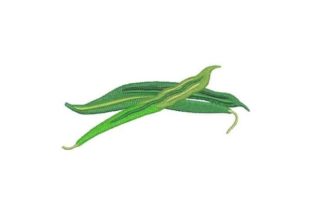
Bush Beans: A Surprisingly Versatile Embroidery Design
As someone who stitches for clients and for my own small shop, I see hundreds of designs a year. The first thing I do is imagine them stitched out—not just on a screen, but on real fabric, under a real needle. When I looked at the Bush Beans design, my immediate impression was a cheerful, rustic charm. It’s not overly cartoonish nor too realistic; it strikes a balance that feels handcrafted and welcoming. The layout suggests a simple, clean stitch-out, which for a professional means less worry about thread breaks or dense areas that can pucker fabric. The personality here is friendly and wholesome, perfect for that handmade presentation customers love.
Where These Beans Really Sprout: Perfect Project Pairings
This isn’t a design I’d reserve for one niche. Its appeal is broad. I immediately thought of a custom embroidered apron for a gardener or home cook—it’s thematic without being kitschy. For a baby item, like a burp cloth or a simple nursery pillow cover, it brings a gentle, natural motif. Consider it for a kitchen towel as a holiday gift; it’s that kind of universally pleasant image. For my craft business products, it would work beautifully on a tote bag or a simple cotton sweatshirt. The theme is Food, but the mood is home, harvest, and warmth, which translates well to personalized gifts and small shop merchandise.
I also ran through its potential for commercial embroidery projects. A local farm stand might want it on staff caps. A boutique selling handmade goods could use it as a subtle brand accent on staff uniforms. The simplicity means it scales well—it should remain clear even at a smaller hoop size for a cap or a child’s baby clothes item.
A Practical Look at Stitching and Clarity
For any machine embroidery design, the proof is in the stitching. With a design like this, I’d pay attention to the smaller leaf details and the bean outlines. They’ll likely use satin stitch or a clean running stitch. On textured fabrics like a canvas tote, you’ll want a good, firm stabilizer to keep those lines sharp. On dark fabric, thread color contrast is key—a bright green or cream would pop beautifully. Always test the design on scrap fabric first, especially if you plan to use it on stretchy material like a tee, to check for any distortion.
The description mentions it comes in multiple embroidery file formats, which is crucial. Before any project, I always confirm the file format compatibility with my machine and the intended hoop size. The lack of specific stitch counts in the description means I’d stitch a sample to gauge time and thread usage, which affects pricing for custom apparel jobs.
Careful Placement: When to Think Twice
Even versatile designs have limits. The Bush Beans design, with its likely clean lines, might get lost on very busy, patterned backgrounds. On ultra-thin fabrics like fine linen, a high stitch density in any fill areas could cause pulling; proper stabilization is non-negotiable. For products needing frequent washing, like kitchen linens, I’d opt for durable threads and possibly a slightly larger size so the design holds its integrity over time.
If you’re creating an embroidered patch from this, the details should be clear, but inspect any tiny corners in the digitizing. For curved surfaces like caps, the design’s layout should be checked to ensure it doesn’t have elements that would warp awkwardly over the seam. This is where a sample run is your best friend.
The Business and Customer Perspective
From a seller’s point of view, this design adds value. It feels thoughtfully made, which boosts customer trust in your handmade product. For Etsy sellers and creative entrepreneurs, it’s a solid asset for creating cohesive lines—think a harvest-themed collection of towels, bags, and apparel. In printable mockups for your shop listings, it presents well because it’s uncluttered and recognizable.
Its giftability is high. It’s specific enough to feel personal for a gardener or foodie, but neutral enough not to be too niche. That’s a sweet spot. For brand consistency, if your shop leans toward natural, kitchen, or rustic themes, this fits seamlessly, enhancing your professionalism.
Essential Designer Notes Before You Hoop
My final thoughts before using Bush Beans in a real project: Always check the licensing terms. The description doesn’t specify, so you must confirm whether it’s for personal use, commercial use, or both before selling finished products or using it in commercial embroidery for clients. Run it on both light and dark fabric scraps to see the effect. Compare light and dark fabric backgrounds in your digital product previews if you’re selling the stitched item online.
Consider thread choices—maybe a variegated green for the leaves could add depth. And finally, step back and look at the stitched sample. Does it have the handmade charm you envisioned? Does it look like it belongs on that pillow cover, apron, or holiday gift? With this design, my instinct says yes, provided you’ve done the practical groundwork. It’s a design that doesn’t overpromise; it just offers a clean, cute, and very usable motif for a wide range of projects, which, in my experience, is exactly what makes a digital embroidery file a reliable asset in a busy designer’s library.