Reviewing Bunny Ballerina 1: A Designer's Take on Boutique Sweatshirt Embroidery
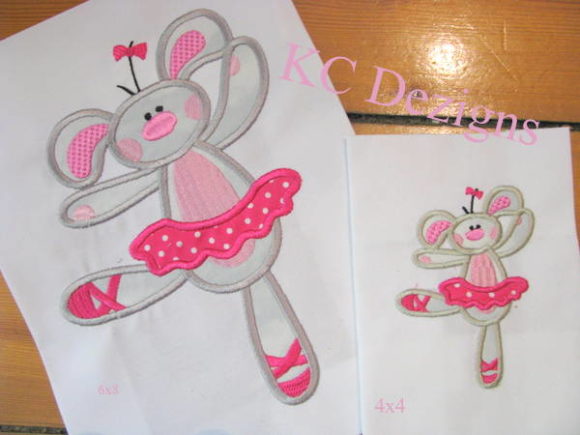
As a designer preparing a premium sweatshirt collection for a small boutique, the first impression of a digital embroidery file is crucial. When I evaluate Bunny Ballerina 1, the title immediately suggests a charming, narrative-driven piece. This isn't a generic logo; it's a scene. The description hints at a machine appliqué embroidery design, which means we're looking at layered fabrics and textures—a technique that can elevate a simple sweatshirt into a standout handmade product.
The Mood and Layout for Premium Apparel
Bunny Ballerina 1 feels inherently playful and decorative. The combination of "bunny" and "ballerina" leans into a sweet, storybook aesthetic. For a boutique brand, this offers a strong visual identity. On a neutral sweatshirt—think cream, oat, or soft grey—this design would pop with a gentle, rustic charm. On a dark fabric like charcoal or navy, the appliqué elements would need thoughtful thread color contrast to ensure the ballerina bunny remains readable and bright, creating a more bold and graphic statement.
The layout is key. As an appliqué design, it likely has defined areas for different fabrics or threadwork. This level of detail suggests a design that isn't minimalist; it's meant to be a focal point. For chest placement on an oversized hoodie, it needs to be balanced—not too sprawling, not too tiny. A well-composed design can make a cozy seasonal apparel item feel intentionally crafted, not just decorated.
Practical Execution on Sweatshirt Fabric
Sweatshirt embroidery presents specific challenges. The fabric thickness and texture require careful planning. For Bunny Ballerina 1, stitch density must be appropriate. Too dense, and the design could pucker or feel stiff on a soft garment. Too light, and it may not withstand commercial use or washing. The appliqué technique itself adds durability, as fabric patches are secured with stitching, but the underlying satin stitches or outlines must be robust.
Stabilizer choice is non-negotiable. A good, tear-away or cut-away stabilizer will support the design without compromising the sweatshirt's drape. Hoop placement is another critical step. For a boutique brand selling a limited drop, every stitch must be perfect. Centering the design on the chest, or perhaps using a smaller version as a sleeve accent, requires precise alignment. I always remind fellow Etsy sellers and small shop owners: check the included hoop size recommendations in the file details before production. If not specified, test on scrap fabric first.
From Digital File to Finished Product
Transitioning Bunny Ballerina 1 from a digital embroidery file to a physical sweatshirt is where the magic happens. On pastel colors—a blush pink or baby blue hoodie—the design would lean fully into its cute, feminine mood, perfect for a lifestyle brand targeting a specific aesthetic. The finished embroidered product should feel integrated, like the artwork belongs on the garment.
This directly affects product value and buyer trust. Clean, professional embroidery with no loose threads or misalignment signals quality. It turns a basic hoodie into boutique merchandise. For custom apparel branding, a unique design like this creates visual recognition. Customers engage with a story—they're not just buying a sweatshirt; they're buying a bunny ballerina.
Design Assets for Brand Presentation
For today's handmade business owners, the digital product extends beyond the stitch-out. A design like Bunny Ballerina 1 becomes a core design asset. It allows for creating printable mockups for Etsy listings, website previews, and social media content. Showing the design applied to an oversized hoodie in a mockup helps customers visualize the final product, boosting confidence before purchase. This is especially important for digital sellers of embroidery files themselves, as they provide their customers with a clear expectation of the end result.
The category mention of Boys is interesting. While the theme is traditionally soft, on a well-chosen garment color and with confident styling, it could absolutely work for a boys' apparel line, moving it from solely feminine to simply playful and sweet. The Embroidery type is the foundation—this is a specialist product requiring an embroidery machine and software, which defines its audience: apparel decorators, crafters, and creative entrepreneurs ready to execute.
Is Bunny Ballerina 1 Strong Enough for Commercial Use?
This is the final designer concern. Based on its described appliqué construction, Bunny Ballerina 1 has the potential to be durable. Appliqué, when stitched well, anchors designs firmly. The key is whether the file provides clean, continuous outlines and sufficient stitch coverage for the layered elements. For commercial embroidery—meaning producing multiple units for sale—the design must stitch out reliably every time, without excessive thread breaks or complicated color changes that slow production.
Its "cutest" description suggests a level of detail that should be charming at a small size, which is vital for sleeve accents or smaller garment applications. Readability is paramount; a fuzzy bunny silhouette loses its appeal. If the design feels premium in its digital form—with thoughtful paths and manageable stitch counts—it will translate to a premium feel on the sweatshirt, enhancing the brand identity of any small shop using it.
In conclusion, from a professional embroidery designer's perspective, Bunny Ballerina 1 presents an attractive opportunity for a boutique sweatshirt drop. Its narrative charm translates directly into customer engagement and brand storytelling. The appliqué method promises texture and durability, key for handmade product presentation. Success, however, hinges on the practicalities: testing thread colors for contrast on different fabric backgrounds, ensuring stabilizer compatibility, and verifying the technical specs of the file itself. With that due diligence, this design can elevate a simple hoodie into a conversation-starting piece of custom apparel.