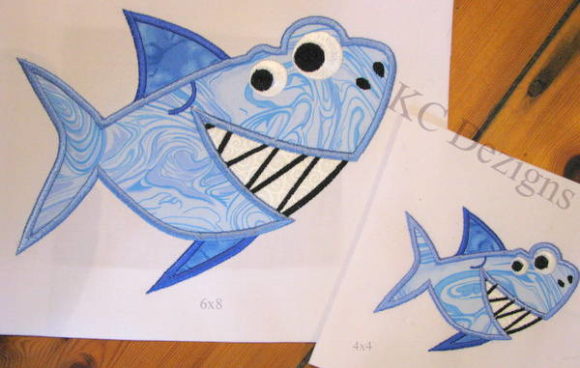
Why This Smiley Shark Embroidery Design Is a Joyful Winner
As a designer who spends a lot of time evaluating embroidery files for real client work and my own shop products, the first thing that strikes me about the Smiley Shark design is its mood. It’s pure, cheerful fun. The “not so scary shark” description is perfectly accurate. This isn’t a design that creates tension or bold aggression; it creates a warm, playful, welcoming feel. That visual personality is a powerful starting point.
The Perfect Fit for Casual, Happy Projects
When I look at the shape and layout, I immediately think of relaxed, everyday items. The beach towel suggestion in the description is a great one, but my mind goes further. This smiling shark belongs on products meant for comfort, leisure, and lighthearted moments. Picture it on a cozy weekend sweatshirt, a sturdy tote bag for library trips, or a simple apron for a baking gift. It’s a design that doesn’t demand attention but rewards it with a grin.
For my craft business, designs like this are gold for filling a specific niche: joyful gifts. I’m imagining stitching it onto a soft blanket for a nursery, the corner of a pillow cover for a beach house, or the front of a kid’s cap for a summer holiday. The “Boys” category hint is useful, but in practice, this design’s appeal is universal. It would be a hit as a personalized gift for anyone who loves a bit of oceanic whimsy.
Where Smiley Shark Excels and Where to Be Cautious
In real embroidery situations, this applique design likely performs wonderfully on stable, medium-weight fabrics. Think cotton towels, canvas tote bags, denim jackets, or fleece blankets. The applique technique, combined with the presumably clean satin stitch outlines and fill stitch details, should result in a crisp, durable finish that holds up well. On these surfaces, the smile will pop with clarity, adding real value to a handmade product.
However, any professional knows to consider the limits. I would be cautious using this on very thin or stretchy fabrics without extensive testing and the right stabilizer. The stitch density, especially in the shark’s body, might be too dense for delicate t-shirt knits, potentially causing puckering. Similarly, curved surfaces like caps require careful hooping and alignment to keep that friendly expression perfectly symmetrical.
Dark fabric backgrounds are another consideration. While the design would stand out, the choice of thread colors becomes critical. A test on scrap fabric is mandatory here to ensure the smile and eyes retain their bright, cheerful contrast against navy or black. This is especially important for commercial embroidery projects where consistency is key to customer trust.
Thinking Like a Customer: The Giftability Factor
When I’m choosing a design for my Etsy listings or craft fair inventory, I think about how it will look in the customer’s hands. Smiley Shark has high giftability. It’s recognizably a shark, but its friendly demeanor removes any intimidation. It feels safe and sweet, perfect for a baby gift, a birthday present for a marine-loving friend, or a simple “just because” item from a small shop. That emotional connection boosts buyer engagement far more than a generic, aggressive shark logo would.
For boutique branding or a maker focusing on a specific aesthetic—say, coastal casual or playful nursery decor—this design could become a consistent, professional asset. It’s memorable without being overwhelming.
Practical Notes From the Hoop
Before running this machine embroidery design for any real project, my standard protocol applies. I always stitch it out on a scrap of the exact final fabric first. This tells me everything: how the applique layers feel, whether any tiny details like the teeth or eye glint get lost, and how the overall stitch density interacts with my material.
I also check it in both light and dark fabric mockups, even digitally, to visualize the final product. Using proper stabilizer for the specific application is non-negotiable to preserve that clean handmade presentation. And a critical step for any digital embroidery file used commercially: I always confirm the licensing terms before selling finished items. The description doesn’t specify, so that’s a direct conversation with the designer or a check of the marketplace terms.
This kind of preparation ensures that when Smiley Shark goes onto a final product—a kitchen towel for a holiday gift, a patch for a backpack, or merchandise for my small shop—it looks exactly as intended: a charming, well-executed piece of embroidery that makes people smile.
The Last Word on This Friendly Shark
Ultimately, Smiley Shark is a design that understands its role. It’s not trying to be a complex, detailed art piece; it’s aiming to be a joyful, easily-loved accent. For embroidery designers and makers looking for a reliable, mood-boosting design for casual apparel, personalized gifts, or cheerful home goods, it’s a strong candidate. Its success hinges on pairing it with the right project and executing it with the careful, practical steps we all rely on to turn a good digital file into an even better finished product.