A Craft Fair Seller's Review of the Unicorn for Kids Embroidery Design
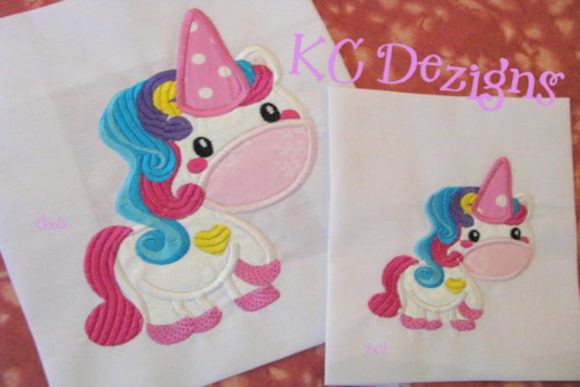
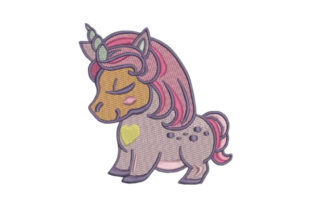
As an embroidery designer preparing for a weekend craft fair, my first task is to evaluate which designs will turn into products that not only look great but actually sell. When I look at Unicorn for Kids, my immediate impression is pure, marketable cuteness. The description highlights a "cartoon style" meant to look "adorable once stitched out." This is a key strength. At a bustling fair, a design needs to communicate its charm instantly. This unicorn isn't rustic, elegant, or minimal—it's playful and sweet, which is a powerful niche, especially for products aimed at children or as lighthearted gifts.
Where This Unicorn Design Stands Out on the Sales Table
Imagine a booth filled with embroidered tote bags, aprons, tea towels, and pillow covers. Unicorn for Kids needs to be placed on products where its whimsy creates the highest perceived value. For me, it sings on smaller, giftable items. A fabric pouch or a small pillow cover becomes a special, personalized item. It also has strong potential as an embroidered patch, which can be applied to backpacks or jackets—a popular, affordable option for parents. On a child's apron or a market bag meant for a young user, it feels perfectly thematic.
However, I would be cautious about using it on more "serious" products like standard kitchen towels in a farmhouse-style booth, where it might clash. Its home is on products that signal fun, childhood, and light decoration.
Practical Production: Turning the File Into Sellable Goods
The product description notes it's a machine embroidery design "perfectly suited for kids sewing projects." For a seller producing items in batches, this suggests it should be approachable. However, the phrase "comes with multiple em" hints at multiple embroidery files or perhaps sizes. This is critical. Before stitching anything for sale, I must check the included file formats, hoop sizes, and any commercial licensing terms. Never assume.
From a production standpoint, a cartoon-style unicorn likely has cleaner lines and larger color blocks than a hyper-detailed design. This is good news for stitch density and production speed. Dense, intricate designs can be time-consuming and require careful stabilizer choice, especially on tricky fabrics like textured towels or curved cap surfaces. I would test Unicorn for Kids on scrap fabric first, particularly if I plan to stitch it on darker fabrics where thread contrast is vital for visibility.
Key Production Checks Before the Fair
- Test the design on scrap fabric identical to your final product material (e.g., canvas for totes, terry for towels).
- Check thread contrast – bright colors on dark backgrounds may need extra attention.
- Review the spacing and any tiny details. Small lettering or minute features can lose clarity on smaller stitch-outs.
- Confirm the optimal hoop size for your intended product. A design that works on a 4x4 hoop for a patch might not scale elegantly to a 6x10 hoop for a pillow.
- Inspect stitch density on denser areas to ensure it doesn't distort lightweight fabrics.
- Use the correct stabilizer for the fabric texture.
- Create at least one real physical mockup before batch production. How it looks in your hand is different than on screen.
- Compare on various fabric colors to offer a range in your booth.
- Absolutely confirm commercial licensing for selling finished products.
Visual Appeal and Customer Engagement
For online sellers, like Etsy shops, and for physical booth displays, how a design photographs is paramount. Unicorn for Kids, with its bold cartoon style, should photograph well. Clean lines and bright colors tend to look sharp in listing photos and on printable mockups. In a booth, a product with this design needs to be placed at eye-level for children. A tote bag with this unicorn hanging front-forward will catch a parent's eye faster than a tea towel folded on a stack.
The design also boosts product value through theme. A plain cotton pouch becomes a "unicorn pouch." This storytelling aspect is a huge selling point for handmade goods. It creates an emotional connection—the "for kids" in the title directly speaks to the buyer's intent.
Scalability and Brand Consistency
Is this a design I can repeat across multiple products for cohesive branding? If my shop is broadly "fun and cute," then yes, Unicorn for Kids fits. If my brand is more modern minimalism, it would be an outlier. For batch production, I consider if the design works as a small accent and a large focal point. The description mentions multiple files, which hopefully includes scaled versions. A small version for a cap or a pocket, and a larger version for a pillow, makes it a versatile craft fair product.
A final, crucial note: Handmade quality is judged by finish. Even the most adorable design can be undermined by poor execution. Clean edges, proper stabilization so the fabric isn't puckered, and vibrant, matched thread colors will make this unicorn embroidery design feel premium and justify a higher price point at your booth or in your small shop product listings.
Making the Final Decision for Your Booth
Reviewing Unicorn for Kids as a potential craft fair product, I see a strong candidate for specific niches. Its appeal is clear and immediate. Its style suggests production-friendly stitching. To maximize its success, I would focus on:
- Children's & Gift Products: Pouches, small pillows, patches, kids' aprons and totes.
- Bright, High-Contrast Fabric Colors: Pastels, whites, bright blues—fabrics that make the unicorn pop.
- Clear, Well-Lit Booth Display: Place these items prominently where the "cute" factor is undeniable.
The Fairy Tales category is a beloved one, and embroidery brings it to life in a tactile way. By pairing this design with the right products and ensuring impeccable stitching quality, Unicorn for Kids can become a reliable, attention-grabbing part of your handmade market offerings.