Amour Embroidery Design Review for Craft Fair Success
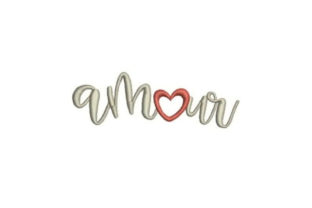
As I prepare my booth for a weekend market, selecting and reviewing designs is the first, crucial step. I need products that will connect with customers walking by, items that feel special but are also practical to produce in batches. Today, I’m looking closely at Amour, a romantic machine embroidery design described as featuring a beautiful satin stitch and heart detail.
First Impression and Design Mood
The word Amour itself sets a tone. This isn’t a loud or funny design; it leans toward elegant and softly decorative. The promise of a satin stitch heart suggests a smooth, lustrous finish that catches the light. In a crowded craft fair, amidst rustic and modern styles, Amour would occupy a romantic, premium niche. It feels giftable and heartfelt, which is perfect for the Valentine's Day category, but its appeal isn't limited to February. Love-themed items sell year-round for anniversaries, weddings, or simply as a sweet, personal touch.
Evaluating Amour on Popular Craft Fair Products
My booth table will feature a range of handmade products. I mentally test where Amour would shine and where it might face challenges.
Standout Products
Tote bags and market bags are a staple. A well-placed Amour design on a neutral or pastel bag becomes a focal point. The satin stitch should give it a tactile richness that customers notice when they touch the fabric. Similarly, on pillow covers for a bedroom or living room, it transforms a simple item into a sentimental home decor piece. Small fabric pouches for jewelry or gifts become instantly special with this embroidery, elevating their perceived value.
Strong Accent Applications
As an accent on the corner of a tea towel or the pocket of an apron, Amour could work beautifully, provided the towel's texture doesn't interfere with the satin stitch's clarity. On caps, the curved surface requires careful stabilization, but a small, elegant heart near the brim could be a unique sell. One of the most versatile applications is as an embroidered patch. Patches allow customers to apply the love theme anywhere, offering flexibility and appealing to a broader audience.
Photography and Online Sales
For my Etsy seller side, how a design photographs is critical. Satin stitch has a sheen that should look luxurious in printable mockups and photos of the finished product. I would highlight that texture in my listings. The design's simplicity—the word and a heart—makes it easy to understand at a glance online, which is key for digital sales.
Practical Production and Selling Points
Turning a digital embroidery file into a profitable, physical craft fair product involves practical judgments.
Scale and Repeatability
I need to consider if Amour works as a small accent or a large focal design. Without knowing the exact provided hoop size, I advise testing. Smaller sizes risk losing detail, especially in any tiny lettering of the word itself. For batch production, a medium-sized design that stitches out relatively quickly is ideal. I would check the stitch density described; dense satin stitch areas can be time-consuming and may require specific stabilizer to prevent puckering on lighter fabrics like pouches.
Fabric and Color Considerations
Thread colors and fabric contrast are everything. On dark fabric, a bright or metallic thread for the satin stitch could make Amour pop dramatically at the booth. On white or linen, a classic red or pink would be expected but lovely. I must test on scrap fabric first—on textured towels, on thick bag canvas, on smooth pillow cotton—to see how the heart detail holds up. Creating at least one real mockup is non-negotiable before committing to production.
Customer Attention and Booth Display
In my booth display, I would group Amour products together to create a thematic “love” section. This strengthens brand consistency and makes a visual impact. A tote bag with this design hanging prominently draws the eye. Its handmade quality is showcased by the precise satin stitch, which customers often associate with skill and care. This directly boosts product value and buyer engagement, as they’re more likely to ask about the technique.
Careful-Use Notes for the Embroidery Designer
Before loading the embroidery file and starting production for my small shop product line, here are my professional checks.
- Always test on the final product fabric. A tea towel’s looped texture might require a different stabilizer than a smooth tote bag.
- Review spacing and detail size. If the heart detail includes very fine lines or small elements, it might not stitch cleanly on a fuzzy or thick fabric like some blankets.
- Confirm commercial licensing. Before selling any commercial embroidery finished products, I must verify the license terms of the design file I purchased. This is a critical, often overlooked step.
- Compare fabric colors. I’ll stitch samples on light, dark, and colored backgrounds to see which combinations sell the story of “Amour” best.
- Inspect stitch density personally. High density can make patches too stiff or cause fabric distortion. Adjusting the design scale might be necessary for optimal results on different items.
Final Judgment for the Craft Fair Booth
Amour has strong potential. Its emotional theme and elegant execution fit a valuable niche in the handmade market. For my upcoming fair, I would likely produce a curated collection: a few premium pillow covers, a batch of simple tote bags in classic colors, and a set of ready-to-apply patches. This covers customers looking for home decor, practical accessories, and customizable items. The key to its success will be in the production details—ensuring every satin stitch heart is flawless, so the handmade quality speaks for itself on the display table. It’s a design that, if executed well, doesn’t just sell a product; it sells a feeling, which is exactly what customers at a craft fair are hoping to find.