Embroidery Review: The Wings Wrapped Heart Design
A Design That Strikes the Right Balance
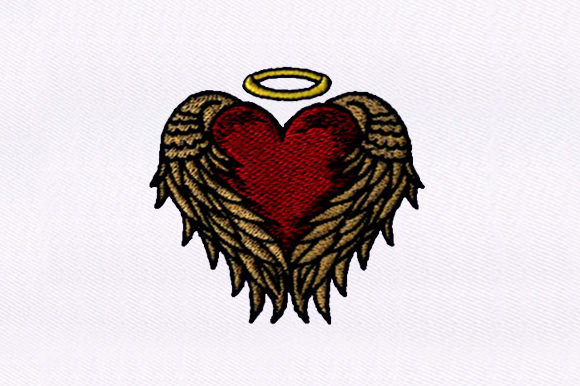
When you're stocking a craft fair booth, every design file needs to earn its place. My first impression of the Wings Wrapped Heart embroidery design is that it sits in a sweet spot between decorative and meaningful. It doesn't scream "Valentine's Day" in a way that limits its use; instead, it feels softly romantic, elegant, and universally appealing. This is a huge advantage for handmade shop owners. You're not just selling a seasonal item; you're offering a symbol of love and protection that can be gifted year-round. The title itself suggests a gentle, wrapping embrace, which translates visually into a design that should feel premium and heartfelt on finished products.
Where This Design Will Sell on Your Booth Table
Your display is a story. The Wings Wrapped Heart can tell a chapter in several key product categories. Let's break down where I'd focus my production energy.
Tote bags and market bags are a prime candidate. This design has the potential to be a beautiful focal point, large enough to be noticed from a few feet away. On a solid-color canvas tote, it becomes an instant statement piece. For boutique makers, this elevates a simple bag into a giftable handmade item.
Aprons and tea towel embroidery are another strong fit. In the kitchen category, this design adds a touch of personal, decorative charm. It feels more "farmhouse elegant" than purely festive, making it suitable for everyday use, which buyers love.
Pillow covers offer a fantastic canvas. A well-placed Wings Wrapped Heart on a linen or cotton pillow cover creates a high-value, home decor product. It photographs beautifully for online listings, suggesting coziness and care.
Embroidered patches are a versatile, lower-cost option. This design likely translates well into a patch, appealing to customers looking for a unique embellishment for jackets, bags, or hats. It's an easy add-on sale at your booth.
Caps and small pouches require more careful consideration. The curved surface of a cap can distort designs, and small pouches limit size. I'd test this at a smaller scale first to ensure the "wrapped" detail remains clear. It might work beautifully as a smaller accent on the front of a fabric pouch.
Practical Production Notes for the Working Crafter
Turning a digital embroidery file into a stack of sellable products requires a practical eye. Here’s my review of the production considerations for Wings Wrapped Heart.
Understanding the Design at a Glance
From a selling perspective, this design is easy to understand. A heart with wings is immediately recognizable and communicates emotion quickly—a critical factor when customers are scanning a crowded craft fair. It doesn't require explanation. This visual clarity boosts buyer engagement as they don't have to puzzle over the meaning.
Batch Production and Photographic Appeal
The design feels repeatable. If the stitch areas are balanced, it should be reliable for batch production on items like tea towels or tote bags. Consistency is key for brand consistency. For your Etsy listings and printable mockups, this design should photograph with excellent contrast, especially on light fabrics. The wings and heart elements will create interesting texture that highlights the handmade quality. Always create at least one real mockup before batch production. A photo of a real embroidered tea towel sells far better than a digital render.
Careful-Use Notes and Testing Protocol
Before you hoop your first product, run these standard checks. I advise every embroidery business owner to do this for any new design.
- Test on scrap fabric first. Use the same material you intend to sell (like canvas for totes or linen for towels).
- Check thread contrast. Review how the design looks on both light and dark fabric. Some designs lose clarity on dark backgrounds if they aren't adjusted for.
- Inspect stitch density. The provided embroidery file formats list is extensive, but you must open the file in your software. Look for any overly dense areas, particularly if the wings are filled. High density on textured towels or thin fabrics can cause puckering.
- Confirm hoop size. The design size isn't specified, so you must determine the ideal hoop size for your intended products. A design too small for a tote bag loses impact; too large for a cap won't fit.
- Use the right stabilizer. Fabric texture dictates this. A kitchen towel needs a different stabilizer than a smooth cotton pillow cover.
- Review spacing and tiny details. Ensure the "wrapping" element of the wings is clear and not lost when stitched out. Small, intricate details can blur on certain fabrics.
Finally, always confirm commercial licensing for the digital embroidery file before selling finished products. The listed formats are for machine use, but the license terms are separate. This is a fundamental step for commercial embroidery.
How This Design Elevates Your Craft Fair Booth
The ultimate goal is a booth that draws people in and turns viewers into buyers. The Wings Wrapped Heart contributes to that in several tangible ways.
Visual Appeal & Customer Attention: This design has a cohesive, gentle aesthetic. If you use it across a product line—say, on a tea towel, a matching apron, and a small pouch—you create a visually harmonious section of your booth. That cohesion strengthens your display and makes your table look curated and professional.
Product Value & Handmade Quality: A well-executed embroidery design adds perceived value. The time and skill implied in a clean, beautiful stitch-out allow you to price items appropriately. It screams quality over a generic printed graphic.
Buyer Engagement: Because the motif is emotionally resonant, it invites conversation. Customers might mention it as a gift for a friend, a daughter, or a partner. That emotional connection is the golden moment at a handmade market. You can then discuss the versatility of the design—it's not just for Valentine's Day, but for any gesture of love or support.
In summary, the Wings Wrapped Heart machine embroidery design is a strong contender for your product lineup. It offers emotional resonance, visual elegance, and versatility across key craft fair product categories. With diligent testing on your actual materials and attention to production details, this design can become a reliable, sellable asset for your small shop, helping you create handmade products that feel special and worth the customer's investment. Focus on its strengths on larger focal products like totes and pillows, and test carefully for smaller applications. Happy stitching, and may your booth be bustling.