Electric Heart Embroidery Design: A Craft Fair Designer's Review
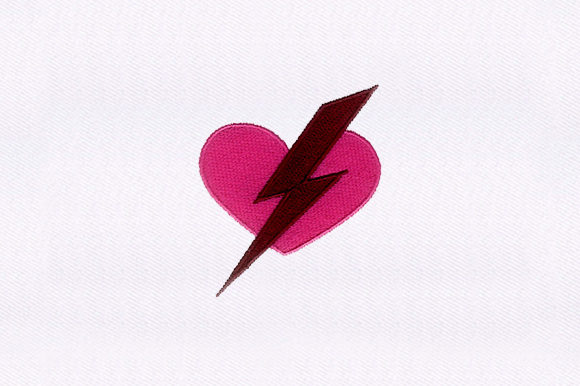
As I sit down to plan my product lineup for the next craft fair season, my first task is reviewing new embroidery designs. The Electric Heart file lands on my digital desk. Its title alone sparks a vision. It’s not a soft, pastoral heart; it’s electric. That implies energy, boldness, a modern pulse. Let’s see if the design lives up to that promise and where it might shine in a booth full of handmade products.
First Impressions: Modern Boldness for the Market
With a finished size just under four inches, Electric Heart is a solid, medium-scale design. It’s neither a tiny accent nor a massive statement piece. This gives it versatility. The "electric" vibe suggests a contemporary, perhaps slightly graphic feel. For my booth, which balances rustic farmhouse towels with modern minimalist totes, this could be a perfect bridge. It feels decorative and premium, without being overly festive or cute. It’s a heart you could sell outside of Valentine’s Day—to someone who loves bold graphic art or modern home decor.
Where Electric Heart Stands Out: Product Application
My craft fair table typically features embroidered tote bags, aprons, tea towels, caps, small pouches, and pillow covers. I visualize Electric Heart on each.
On a solid-color canvas tote bag, this design would act as a strong focal point. Its size is perfect for the center of a bag panel—immediately readable and eye-catching as customers walk by. For an apron, placing it on the chest or pocket would create a modern, stylish kitchen gift. On linen tea towels, it’s a great single motif, but I’d be mindful of the fabric texture. Towels can be nubby; a design with very dense stitch areas might not lay as smoothly.
One of my best-selling categories is embroidered patches. Electric Heart, at this hoop size, is ideal for a standalone patch. It’s large enough to be appreciated as a piece of art but small enough to be affordable to produce and sell. On caps, the curved surface requires careful stabilization, but the design’s proportions seem suitable for the front panel.
For smaller giftable items—like fabric pouches or minimalist pillow covers—it becomes the entire decoration. This is where its "electric" mood can really elevate a simple product into something special and modern.
The Practical Production Checklist
Before I batch-produce anything, I run through my designer checklist. The specs show a stitch count over ten thousand. That indicates a fairly dense, detailed design. This is good for visual impact and perceived quality, but it means production time per item will be longer. For batch production, I need to factor that in.
Key Considerations for Smooth Production
- Fabric and Thread Contrast: Bold designs need contrast. I’d test Electric Heart on both dark and light scrap fabric to ensure the chosen thread pops. A white or bright electric blue on a black tote would be stunning.
- Stitch Density and Stabilizer: High stitch counts demand good, firm stabilizer, especially on stretchy or textured fabrics like towels or caps. A test run on actual product fabric is non-negotiable.
- Clarity at a Glance: At a craft fair, customers decide in seconds. This design’s single, strong motif should be instantly understandable, making it an effective booth catcher.
- Photography for Online Sales: For my Etsy listings and printable mockups, a bold, clean design like this photographs well. It retains clarity even in small thumbnail images, which is crucial for digital sellers.
Maximizing Sales: Booth Display and Customer Engagement
How do I make Electric Heart products sell? First, I’ll create at least one real, high-quality mockup for my display table—perhaps on a premium tote bag placed prominently. The handmade quality of a dense, clean embroidery stitch adds tangible value. Customers notice and feel that.
This design also supports brand consistency. If my shop’s vibe is modern handmade, Electric Heart fits perfectly. I might display it alongside more minimalist designs to create a cohesive collection that tells a story.
For buyer engagement, its name is a conversation starter. "Electric Heart" is intriguing. I can imagine explaining the modern aesthetic, making a connection that goes beyond a simple transaction.
Careful-Use Notes for the Embroidery Designer
Every design has its nuances. Based on the specifications, here are my specific notes for using Electric Heart successfully.
- Tiny Details: With its density, I’ll look closely for any extremely small lettering or fine lines that might get lost or pucker on certain fabrics.
- Curved Surfaces: Embroidering on caps requires extra stabilization and possibly adjusting stitch density settings to prevent distortion.
- Batch Production Repeatability: The consistent, singular motif makes it excellent for repeating across multiple items. However, the high stitch count means each item takes considerable machine time. Plan production schedules accordingly.
- Commercial Licensing: The product description lists it as a machine embroidery design with multiple file formats. Before selling any finished products, I must confirm the commercial licensing terms for this specific file. This is a critical step for any small shop product.
Final Judgment: A Strong Candidate for the Fair
Electric Heart presents itself as a versatile, modern embroidery file with strong visual appeal. Its size makes it adaptable across popular craft fair products like totes, aprons, and patches. The density suggests a premium look that customers appreciate in person. The "electric" theme offers a fresh take on a classic symbol, potentially broadening its appeal beyond seasonal Valentine’s Day sales.
My next steps are practical: test it on scrap, confirm the licensing, and stitch it onto my chosen product—likely a high-contrast tote bag—to create that all-important booth sample. If it stitches out cleanly and catches the eye, Electric Heart will earn a prime spot on my craft fair table, ready to attract the modern-minded customer looking for a bold, handmade statement.