Golf Playing Grandpa: A Craft Fair Standout
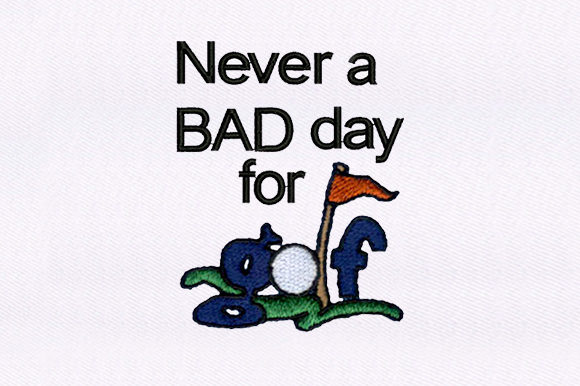
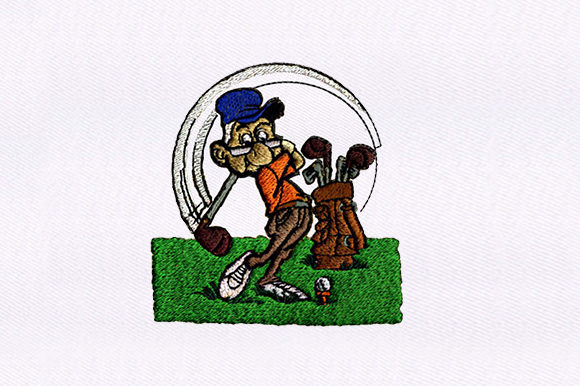
When preparing for a weekend craft fair, my first step is always to review a design not just as a digital file, but as a real, tactile product that will sit on my table. The Golf Playing Grandpa machine embroidery design immediately catches my eye for its potential. This isn't a generic sports logo; it's a character-driven, narrative piece. The title alone suggests a blend of humor, nostalgia, and a specific audience—grandpas, golfers, and the families who love them. For craft fair sellers, that’s a powerful starting point: a design that tells a story and connects on an emotional level.
First Impression: Nostalgic Charm with Modern Appeal
The mood of Golf Playing Grandpa feels like nostalgic charm with a touch of lighthearted humor. It’s not overly cartoonish or purely rustic; it sits in that sweet spot of being decorative, approachable, and conversation-starting. This makes it versatile. It can lean towards a cozy, family-gift feel on a pillow, or a bold, statement piece on a tote bag for the golf enthusiast. This emotional resonance is what makes customers stop at your booth. They see it, they think of someone, and that’s half the sale already made.
Where This Design Shines on Products
Your booth display is a mix of tote bags, aprons, tea towels, caps, and small gift items. Let’s evaluate where Golf Playing Grandpa earns its space.
Tote Bags and Market Bags: This is a prime candidate. The design has enough visual weight to act as a focal point on a large bag. On a neutral canvas or denim tote, it becomes a featured graphic. It feels premium and unique, elevating a simple bag into a themed, handmade product.
Aprons and Kitchen Towels: For the sports category, aprons are a brilliant match, especially for a “Grandpa” who might grill or enjoy time in the kitchen. Embroidered on a durable cotton apron, it creates a fantastic gift. On tea towels, the design needs to be sized appropriately—not too large to overwhelm the fabric’s function, but large enough to be appreciated. The humor and theme work well in a kitchen setting.
Caps: This is a natural fit given the golf theme. However, embroidering on the curved surface of a cap requires careful testing. The design’s details must remain clear at a smaller size suitable for a cap front. If the design includes tiny lettering or very dense stitch areas, it might lose clarity. A simplified or slightly adapted version might be needed for cap success.
Embroidered Patches and Fabric Pouches: As a patch, Golf Playing Grandpa becomes a versatile, buy-it-now item. Patches are low-cost for buyers and easy for you to produce in batches. They can be ironed or sewn onto anything, from golf bags to jackets. Small fabric pouches or key fobs with this design become quick, affordable handmade gifts that are perfect for craft fair impulse buys.
Pillow Covers: This is where the design feels cozy and decorative. A pillow cover with this embroidery becomes a home decor item, moving it beyond pure sports into the giftable, boutique-maker arena. It suggests a personal touch and adds value through the handmade embroidery.
Practical Production & Selling Points
As an embroidery business owner, my review always turns to practicality. Can I produce this efficiently, and will it sell?
Design Clarity and Batch Production
Golf Playing Grandpa seems to be a design that is easy to understand at a glance—a figure with a golf theme. This is crucial for craft fair sales where customers scan tables quickly. It works as both a medium-sized focal design and, if simplified, a smaller accent. For batch production, repeatability is key. I advise checking the stitch density. Very dense areas can increase production time and thread consumption, affecting your cost per item. Test it on scrap fabric first to gauge the run time and thread coverage.
Photographing for Online Sales
For your Etsy listings or online shop, this design should photograph well. The character-driven nature creates a strong visual even in a printable mockup. On actual products, ensure you shoot it on fabrics where the thread contrast is high. Dark fabrics require careful thread color choice to maintain the design’s visibility. A well-lit photo of this embroidery on a crisp tea towel or a textured canvas tote bag will showcase the handmade quality and attract buyers.
Fabric and Stabilizer Considerations
Fabric texture plays a huge role. On smooth cotton for a pillow cover, details will pop. On a more textured kitchen towel or a thick bag fabric, smaller details might soften. Always use the right stabilizer to support the design on different material weights. For caps, a firm stabilizer is non-negotiable. Before any batch production, create at least one real mockup on each intended product type. Compare how it looks on light versus dark fabric backgrounds.
Careful-Use Notes for the Embroidery Designer
My professional notes for turning this digital embroidery file into successful craft fair products:
- Test on Scrap First: Always hoop a scrap piece of the exact fabric you’ll use (e.g., towel, canvas, apron twill) and run the design. Check for thread tension, puckering, and overall appearance.
- Review Spacing and Hoop Size: The description mentions it comes with multiple embroidery file formats. Confirm which hoop sizes are included. A design meant for a 4x4 hoop might not scale perfectly to a 6x10 for a tote without losing proportion. Use the native hoop size for best results.
- Inspect Stitch Density: Look at the file in your software. Areas with high stitch density can be challenging on lightweight fabrics or curved caps, potentially causing stiffness or distortion. Adjust if necessary.
- Thread Color Contrast: Plan your thread palette for different fabrics. On a dark navy cap, you might need brighter whites and yellows. On a light linen towel, darker shades will stand out.
- Commercial Licensing: The description notes it is a machine embroidery design. Before selling finished products, it is your responsibility to confirm commercial licensing is allowed with the file purchase. Not all digital embroidery files are licensed for commercial use. This is a critical step for Etsy sellers and boutique makers.
Final Booth Display Strategy
In your craft fair booth, Golf Playing Grandpa should be displayed on the products where its story is strongest. Place a beautifully embroidered tote bag at the front of your table as a sample. Have a set of tea towels stacked, with one folded to show the design. Hang a cap if your tests confirm it looks great. Offer the patches in a visible bowl for easy browsing. This multi-product approach shows its versatility and maximizes customer engagement. It speaks to different buyers: the gift-seeker, the sports fan, and the home decor enthusiast. By evaluating it through this real-world, product-focused lens, Golf Playing Grandpa proves to be a design with significant potential to add character, value, and sales to your handmade product line.