Wire Circle Quilting Design: A Designer's Honest Review
As I prepare the artwork for my boutique's upcoming limited sweatshirt drop, I'm always on the lookout for embroidery designs that feel premium, cohesive, and have that special handmade quality. When I first opened the Wire Circle Quilting Design file, my immediate impression was a blend of structured minimalism and decorative detail. The name suggests a focus on geometry and texture, which for a collection of neutral, oversized hoodies and cozy seasonal apparel, is a promising start.
The Mood and Stitching Personality
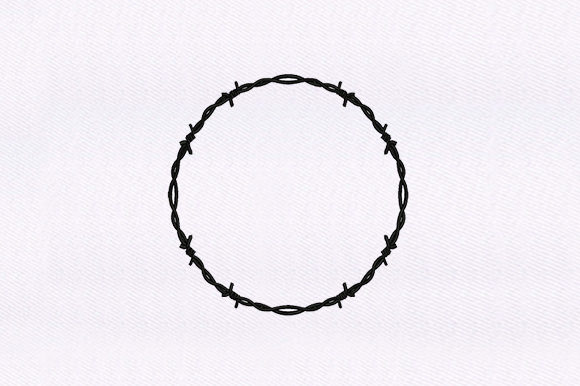
This design doesn't scream bold or overly playful. Instead, it leans into a quiet, confident decorative feel that could easily be interpreted as rustic, modern, or subtly feminine depending on your thread choices. The "quilting" aspect in the title hints at a texture and density that promises good coverage and a tactile finish, which is paramount for a premium sweatshirt embroidery project. On a dark fabric like a charcoal grey hoodie, a crisp white or metallic silver thread would create a sharp, almost architectural contrast. On a pastel sweatshirt—think a soft blush or oat milk color—it could shift to feel delicate and cute.
The layout, being a circle, offers incredible versatility for placement. For a classic boutique merchandise look, a centered chest placement on a sweatshirt is a natural fit. But the design’s balanced form also makes it a beautiful candidate for sleeve accents or even a clean, striking back design on an oversized hoodie. In lifestyle product photography, this kind of geometric motif lends itself to clean, aspirational mockup previews, which is gold for Etsy listings and small shop product pages.
Practical Considerations for Production
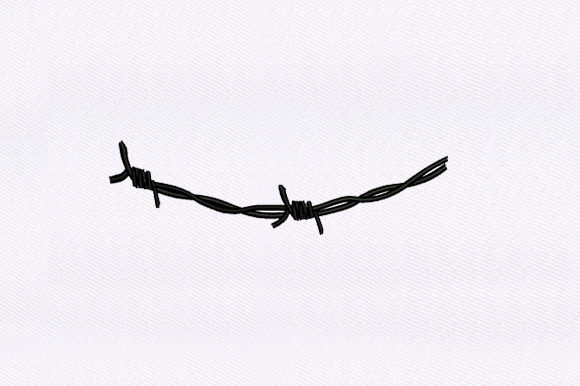
Moving from the mood to the machine, a professional designer’s mind immediately turns to execution. The success of the Wire Circle Quilting Design on custom apparel hinges on several practical factors. First is thread color contrast. This design, with its presumably interwoven or overlapping elements, will need a thoughtful palette to ensure the "wire" and "circle" components are readable and don’t visually muddy each other.
Stitch density is a key concern, especially for sweatshirt embroidery. Hoodies and sweatshirts have a distinct fabric thickness and texture. A design with too light a density can look sparse and cheap on the fabric, while too heavy a density can cause puckering or make the garment stiff. The "quilting" descriptor gives me hope that the embroidery file has been built with appropriate coverage for these heavier fabrics. Pairing it with the right stabilizer—a heavyweight cutaway is my go-to for sweatshirts—will be essential for a flat, durable finish.
Will It Hold Up for Commercial Use?
For a boutique brand selling handmade products, washing durability and small-size readability are non-negotiable. A customer expects a premium garment to last. I need to scrutinize the design's stitch types and underlay. Are the outlines and fills robust? When hooped, does the design maintain its integrity even if scaled down slightly for a more minimal look? The included embroidery file formats—a comprehensive list including PES, DST, JEF, and others—means compatibility with most professional machines, which is a great start. However, the critical details like exact stitch count and recommended hoop size aren't provided in the description. Before any production, I'll be opening the file in my software to check those specifics. This is a vital step for any Etsy seller or apparel decorator to ensure a smooth run.
Elevating Brand Identity and Product Value
Beyond the stitch mechanics, how does this digital embroidery file serve the brand? A well-executed Wire Circle Quilting Design on a quality sweatshirt immediately elevates the product value. It transforms a simple garment into a piece of custom apparel. For a small clothing brand, this visual recognition is a cornerstone of brand identity. A clean, memorable design like this becomes a signature, fostering customer engagement and trust. It communicates that care went into the creation, enhancing the handmade presentation.
In the context of the listed Product Category being Military, the design could resonate with a specific aesthetic—perhaps one of order, precision, or heritage—which might be perfect for a brand targeting that vibe. Otherwise, for a general boutique, the design feels sufficiently neutral and decorative to transcend any single niche. Its strength for commercial embroidery lies in its adaptability.
A Final Thought for Creative Entrepreneurs
Reviewing the Wire Circle Quilting Design as a potential asset for my sweatshirt collection, I see a versatile, texture-forward option. It feels premium when paired with the right materials and execution, and can swing from casual to decorative based on its application. Its success, as with any machine embroidery design, will be a partnership between the quality of the digital embroidery file itself and the skill of the decorator. Paying close attention to fabric texture, hoop placement, and thread selection will unlock its potential as a standout feature on cozy apparel, making it a compelling choice for a small shop product drop aiming for that perfect blend of minimalism and crafted detail.
Remember, always use the actual design assets to create printable mockups and test sew-outs on scrap fabric before committing to a full production run. This hands-on review is the final, most important step to ensure your finished product meets the premium standards your boutique brand deserves.