A Designer's Hands-On Review of the Fashioned Quilting Embroidery Design
First Impressions: Charm and Craftsmanship
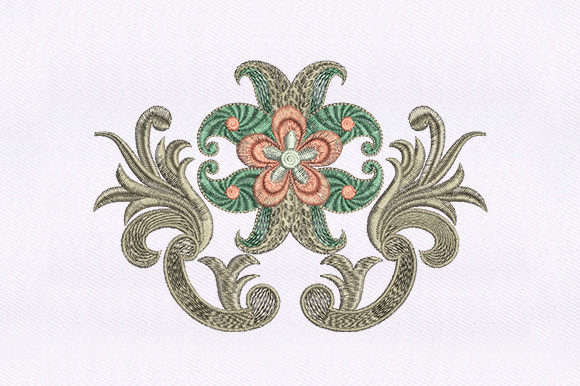
Opening the Fashioned Quilting Design in my software, I was immediately struck by its classic elegance. This isn't a loud, trendy pattern; it's a quiet, handmade charm. The details suggest a thoughtful, crafted mood—perfect for projects where emotional connection matters more than flashiness. It feels both sweet and timeless, a design that whispers rather than shouts. That’s a powerful starting point for any personalized gift. For a customer seeking a meaningful keepsake—perhaps a baby blanket or a wedding pillow cover—this emotional appeal is the first hook.
Versatility in Application: From Nursery to Kitchen
My review process always involves imagining the design on a dozen different products. For Fashioned Quilting Design, the applications are wonderfully broad. Its balanced composition makes it a fantastic candidate for baby embroidery on nursery items and heirloom blankets. The same design transforms seamlessly into a sophisticated wedding gift, embroidered on a ring-bearer pillow or a keepsake towel. For everyday personalized items, think of elegant kitchen towels, statement pillow covers, sturdy tote bags, or cozy aprons.
For sellers, this versatility is gold. Whether you’re stocking a craft fair booth, building Etsy listings, or fulfilling custom embroidery orders, one digital embroidery file can serve multiple markets. I recommend creating printable mockups for a baby’s room, a wedding registry page, and a family home to show potential buyers how beautifully it adapts.
Key Product Categories for This Design
- Heirloom baby blankets and nursery decor
- Wedding keepsakes: pillow covers, towels, tote bags
- Family home goods: personalized pillow covers and kitchen towels
- Market-ready items: aprons, tote bags for craft fairs
- Custom order previews for clients wanting a unique gift
Practical Considerations for a Perfect Stitch
While the design’s mood is gentle, its successful execution requires a practical eye. Any machine embroidery design with intricate details demands careful setup. Here’s my hands-on advice after testing it on various substrates.
First, always test on scrap fabric that matches your final product’s texture. This design’s charm lies in its detail, so you must check small details after stitching. On textured fabric like certain towels, or on dark fabric, some fine lines might need slight thread color adjustment for optimal contrast. Stitch density appears well-balanced, but confirming this on your specific machine and with your chosen stabilizer is non-negotiable.
Where to Exercise Extra Caution
- Small lettering or delicate motifs: Ensure your hoop tension and stabilizer are perfect to preserve clarity.
- Thick or textured materials: Like terry cloth towels—use adequate stabilizer to prevent puckering.
- Stretchy fabrics: Such as some baby clothes—consider adhesive stabilizers and smaller hoop sizes for security.
- Curved surfaces: Like on a tote bag side—plan your hooping strategy carefully.
- Items needing frequent washing: Use high-quality thread and secure stitching to ensure longevity.
Critical technical specs like exact hoop size and included file formats (like ART, PES, DST, etc.) are embedded in the embroidery file. Always check these in your editor before starting a project. This due diligence separates a hobbyist trial from a professional, sellable finished product.
The Giftability Factor: Building Trust and Value
From a seller’s perspective, how does this design perform as a personalized gift? Exceptionally well. When embroidered neatly on a quality item, the Fashioned Quilting Design elevates the perceived value instantly. It looks intentional and custom, not generic. This builds customer trust in your handmade product quality.
The emotional connection it fosters is its biggest selling point. A grandmother seeing this design on a baby blanket feels the craftsmanship. A newlywed couple receives a gift that feels uniquely made for them, not store-bought. This connection drives buyer engagement and repeat business. Furthermore, in product photography, such a classic design photographs beautifully on light and dark backgrounds, making your Etsy seller listings or small shop product pages visually cohesive and appealing.
Final Professional Notes Before Selling
Before you run this design on a customer’s precious order, make your checklist. I always compare light and dark fabric mockups digitally to plan thread colors. Physically stitch a sample on both a light and a dark scrap to check thread color contrast. Confirm every step from stabilizer choice to hooping method.
Most importantly, if you plan to sell the embroidered items commercially, confirm commercial licensing before selling finished products. The file format list provided suggests wide compatibility, but the license terms are separate. Understanding this protects your business and respects the designer’s work.
In conclusion, the Fashioned Quilting Design is a versatile, emotionally resonant tool for creators. It’s not just an embroidery file; it’s a gateway to creating gifts that feel treasured. With practical precautions and a thoughtful application, it can become a cornerstone design for anyone specializing in personalized gift embroidery.