Funny Bowling Pin Applique: A Designer’s Craft Fair Review
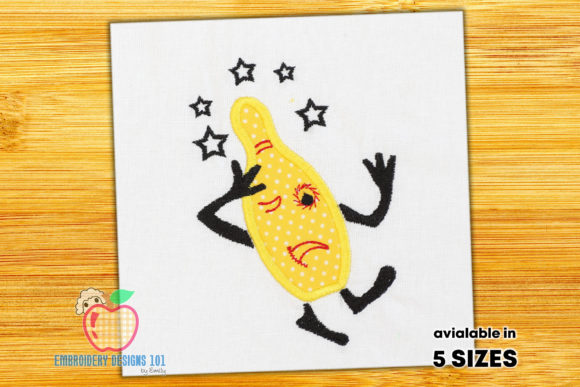
As an embroidery designer preparing products for a weekend craft fair, every design I choose needs to earn its place on my table. The Funny Bowling Pin Applique immediately stands out as a playful, character-driven machine embroidery design. The title alone tells me it’s aiming for humor and recognition, a great starting point for products that need to connect quickly with customers browsing a busy handmade market.
First Impression: Bold, Playful, and Instantly Recognizable
This design feels bold and funny, leaning into a toy-like aesthetic without being childish. For a craft fair booth, that’s a valuable mood. It’s not rustic, farmhouse, or minimal; it’s decorative and lighthearted. This makes it perfect for products meant to add a smile to everyday life. The "funny" aspect suggests a personality, which can be a huge selling point over generic, decorative motifs. Customers notice personality.
Where the Funny Bowling Pin Applique Shines on Products
When planning my table display—filled with tote bags, aprons, tea towels, caps, and small pouches—I evaluate where a design like this will have the strongest impact.
Tote Bags and Market Bags
A tote bag with this applique becomes a statement piece. Its playful nature makes it a great giftable item. The design likely has enough visual weight to act as a large focal point on a bag’s front panel, grabbing attention from a distance in a booth. This is crucial for craft fair selling.
Aprons and Kitchen Towels
For aprons and tea towel embroidery, this design adds a fun twist to utilitarian items. On a kitchen towel, it would serve as a great accent, especially if paired with a solid, high-quality linen or cotton. It turns a simple towel into a conversation piece, which can elevate its perceived value.
Caps and Embroidered Patches
This is a prime candidate for caps and patches. The toy category connection makes it ideal for casual, sporty wear. As an embroidered patch, it could be sold separately or applied to a pouch, adding versatility to my product line. Patches are low-cost, high-margin items that sell well at fairs.
Pillow Covers and Small Pouches
On a pillow cover, the Funny Bowling Pin Applique would create a whimsical home décor item. For small fabric pouches or giftable handmade items, it acts as a perfect, charming accent. Its size and mood make it suitable for these smaller surfaces without overwhelming them.
Booth Samples and Online Listings
For photography, whether for Etsy listings or printable mockups, a design with clear character like this photographs well. The contrast and shape should translate clearly in images, which is vital for digital sellers and small shop products. Having a real, physical sample in my booth, however, is key to showing off the actual stitch quality and texture.
Practical Production & Selling Considerations
Turning a digital embroidery file into a batch of craft fair products requires careful planning.
Design Clarity and Batch Production
The description notes steps are separated by color changes, which is excellent for production. It means the design is organized, making it easier to manage thread changes during batch embroidery. The "funny" aspect likely relies on clear details—expression, perhaps exaggerated features. I need to test it on scrap fabric first to ensure those details remain crisp, especially if I plan to resize it. On thick fabrics like canvas for tote bags, or textured towels, stitch density needs to be sufficient to look clean. On curved surfaces like caps, stabilizer choice is critical.
Attention and Value in a Booth Display
In a booth, this design affects customer engagement. A well-executed Funny Bowling Pin Applique on a premium tote bag suggests quality and care. It can become a centerpiece item that draws people in. For brand consistency, if my shop leans toward playful, gift-oriented goods, this design fits perfectly. It doesn’t look mass-produced; it looks like a handmade product with thought behind it.
Careful-Use Notes for Best Results
- Test on Scrap Fabric: Always embroider the design on a scrap of the exact fabric you’ll use for the final product—whether it’s a cotton apron, denim cap, or linen towel.
- Check Thread Contrast: On dark fabric, ensure your thread color choices provide enough pop. The design’s humor depends on visibility.
- Review Hoop Size and Stabilizer: While the product description says it comes in multiple embroidery file formats for multiple machines, I must confirm the minimum hoop size required and use the correct stabilizer for the fabric type. This is non-negotiable for professional results.
- Inspect Stitch Density: Look for any overly dense areas that might pucker on lighter fabrics or require slower stitching. This affects production speed for batch items.
- Create a Real Mockup: Before producing a batch for the fair, make at least one finished product mockup. See how it looks and feels in person. Compare it on different fabric colors.
- Confirm Licensing: The description doesn’t specify commercial licensing terms. Before selling finished products, I must verify that my use is permitted under the design’s license.
Final Designer’s Judgment for Craft Fair Success
The Funny Bowling Pin Applique is a strong contender for a craft fair table. Its playful, recognizable theme makes it easy for customers to understand at a glance, which is half the battle in a bustling market. It works as both a large focal design on bags and a smaller accent on pouches or patches, offering flexibility in my product lineup. For production, its organized color steps are a practical advantage. The key to its success will be execution: using the right materials, testing thoroughly, and presenting it on products that match its fun spirit—like a high-quality tote bag or a well-made cap. That combination of a charming design and a professionally crafted finished product is what turns browsing customers into buyers and builds the reputation of a handmade embroidery business.